
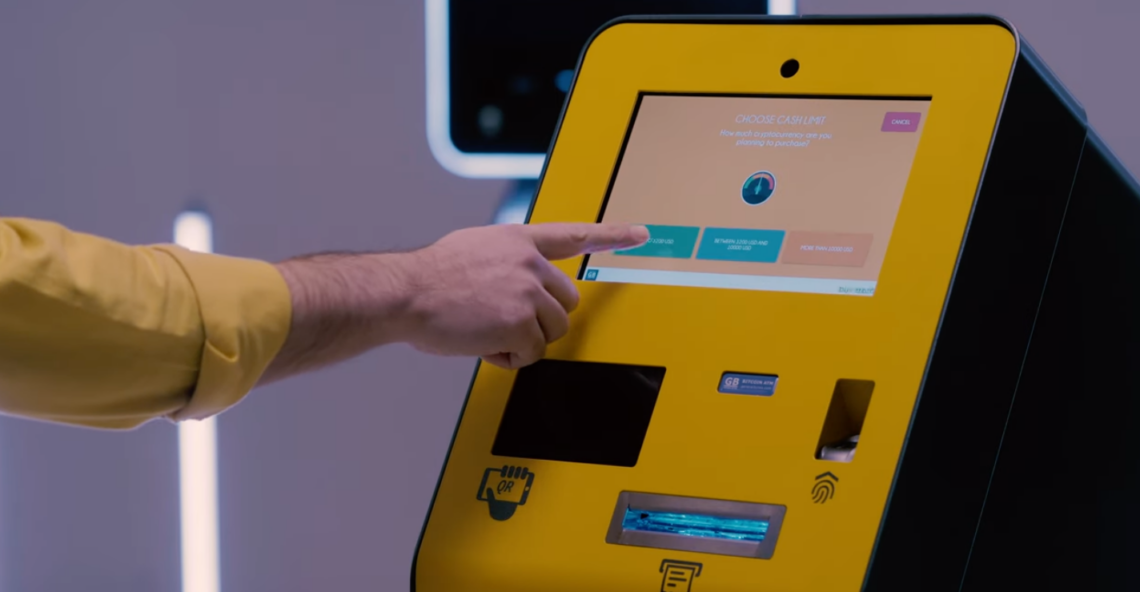

While dozens of states have passed laws regulating crypto ATMs, and more are in the process, Tennessee has banned them outright.
Earlier this month, Tennessee Gov. Bill Lee signed a bill to law banning virtual currency kiosks. The bill targets both the operators of so-called bitcoin ATMs — which often sell multiple cryptocurrencies — and people on whose property they are housed. Frequently these are convenience stores, gas stations and malls.
Tennessee House Bill 2505 makes it “an offense for a virtual currency kiosk operator or other person to knowingly install or allow installation of, permit, place, or otherwise operate a virtual currency kiosk in this state.”
The law makes operating or hosting a bitcoin ATM a Class A misdemeanor, punishable by just under a year in jail and a $2,500 fine.
Bitcoin ATM supporters see them as an easy way to buy cryptocurrencies for cash, providing both privacy and an tool to put savings into digital assets without needing to negotiate exchanges or the bank accounts or credit cards required to use them.
“We believe our combination of ATM infrastructure, patented technology, and secure wallet integration positions Bitcoin Bancorp to play a meaningful role in the next phase of Bitcoin adoption by serving as that bridge between the consumer and the evolving digital asset ecosystem,” said Eric Noveshen, director of Bitcoin Bancorp, in a release.
Tennessee sees the issue differently, with the General Assembly unanimously passing the ban.
“Virtual currency kiosks have become a gateway for scammers to exploit Tennesseans, especially our seniors, with little hope of recovering their money once it’s gone,” said House Speaker Cameron Sexton, a sponsor of the bill.
Indiana has also banned bitcoin ATMs.
The AARP is a major supporter of laws regulating bitcoin ATMs, noting that the FBI reported that scammers used bitcoin ATMs to steal $333 million in 2025. Many of the victims are seniors, it said.
You May Also Like
-
 April 9, 2026
 -
 April 14, 2026
 -
 December 20, 2021


