
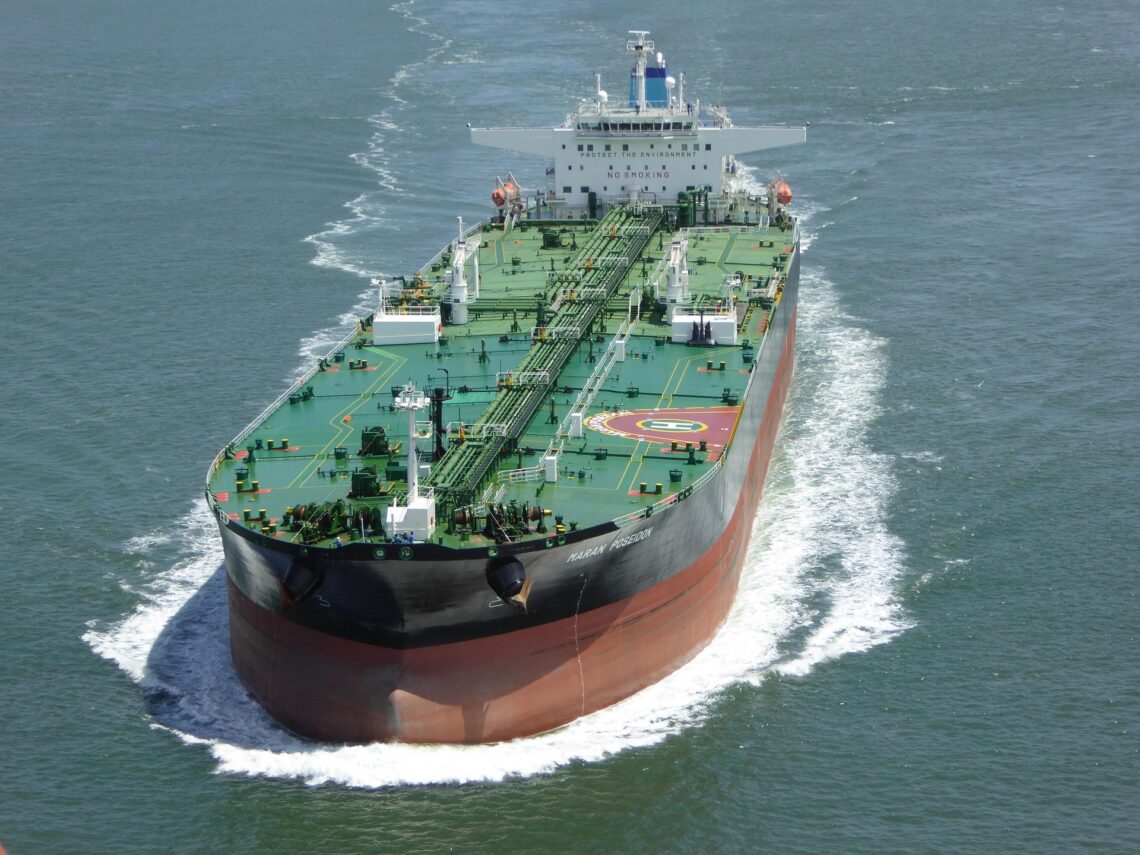
Scammers posing as Iranian authorities are offering passage through the Strait of Hormuz in exchange for cryptocurrency, Greek maritime risk management firm Marisks has warned. “These messages are a scam,” Marisks said, warning that they did not come from legitimate Iranian authorities, Reuters reported on April 21. Iran’s blockade of the Strait, which it briefly lifted, has closed the vital waterway to hundreds of ships carrying oil and gas, threatening to create energy shortages around the world. Roughly a fifth of the world’s supply of oil and liquefied natural gas must pass through the Strait. In response, the U.S. is blockading Iranian ports. At least one vessel is believed to…
-
-
 The ancient business of shipping may be changed by blockchain technology (Photo of cargo ships in Hamburg, Germany, by Julius Silver from Pixabay).
Here’s how blockchain can disrupt maritime shipping
A report claims that emerging technologies including distributed ledgers can make shipping cargo around the world far cheaper and more efficient
A digital revolution is sweeping the maritime shipping industry, and it’s bringing blockchain along for the ride. That change is long overdue, according to a report released on September 10 by the Inmarsat Research Programme, a division of the satellite communications company. Despite the estimate that it is a $4 trillion industry, maritime shipping has largely been untouched by the internet revolution, said Nick Chubb and Leonardo Zangaro, authors of “How Startups are Driving the Next Generation of Maritime Trade.”
-
Latest IBM-Maersk deals mean half the world’s ocean cargo will now be tracked on a blockchain
Container shipping consortium gains key allies in MSC and CMA CMG lines
With the addition of two new container shipping lines, IBM’s blockchain-based TradeLens consortium now accounts for nearly half of the world’s shipping.
