
The Web3 gaming sector is all but dead, with $11 billion of the more than $12 billion deployed from 2020 to 2026 “practically gone.”
That’s according to market-making and trading firm Caladan, which said in a April 22 report that 93% of all GameFi projects are “effectively dead.”
The average gaming token is down 95% from its all-time high.
And even Animoica Brands, the biggest player in the Web3 gaming space, has reduced gaming from its core thesis to 25% of its portfolio, pivoting to stablecoins, Caladan said.
“The funding arc tells the story,” the report said. “From $70 million in 2020 to a $4 billion peak in 2022, then a collapse to roughly $360 million in 2025. In May 2025, a single deal worth $9 million represented the entire month’s global web3 gaming investment. By 2025, gaming’s share of web3 venture capital had fallen from 62.5% to single digits, as AI, real-world asset tokenization, and L2 infrastructure absorbed the displaced capital.”
Even the biggest names in the space have collapsed.
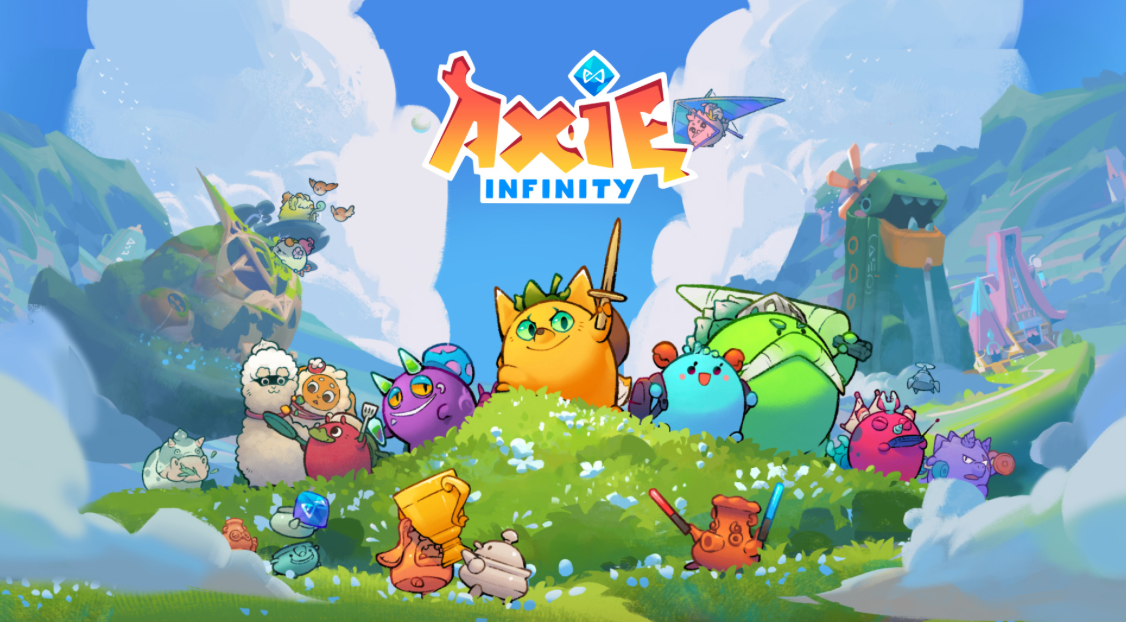
Axie Infinity, the play-to-earn gaming powerhouse that at one time had 2.8 million daily users dropped to less than 100,000 by late 2025 and is now at just 5,500 according to DappRadar. There were just 46 new active users over the past 24 hours.
What went wrong
At the core of the boom was GameFi, the play-to-earn model in which players earned tangible digital assets — cryptocurrency tokens or NFTs — by playing, winning, and grinding in games.
The problem — aside from less-than-spectacular games, which often resembled work more than entertainment — is that they operated as zero-sum economies reliant on new players coming in and buying assets from existing players. Once that influx slowed, the economics broke down and users abandoned the games.
Metaverses, which were so hyped that Mark Zuckerberg renamed Facebook to Meta, failed just as hard in Web3, with much-hyped The Sandbox and Decentraland now both under 500 monthly active users, according to DappRadar.
“The open-world RPGs, photorealistic metaverses, and AAA shooters that justified the fundraising remain, with few exceptions, undelivered or abandoned,” Caladan said. “Entire economic layers were built on the assumption of perpetual growth and collapsed when that growth stalled.”
Web3 gaming was, Caladan added, “one of the worst capital allocation outcomes in recent technology history.”
You May Also Like
-
 November 11, 2019
 -
 December 18, 2020
 -
 February 22, 2022


