Blockchain infrastructure provider Alchemy is partnering with Visa to launch AgentCard, a new payment method for AI agents designed to let them operate in the real world. Using agents from any provider, the virtual Visa card will let users’ AI agents ”book a vacation, order groceries, or renew a subscription on a consumer’s behalf, without the consumer ever touching a checkout screen,” Alchemy said in a statement. The AgentCard features built-in spending controls, including merchant category restrictions, per-transaction limits, and customizable budgets, all configurable at startup or in real time. “The hardest part of deploying an agent today has nothing to do with intelligence, it is getting the agent set…
-
-
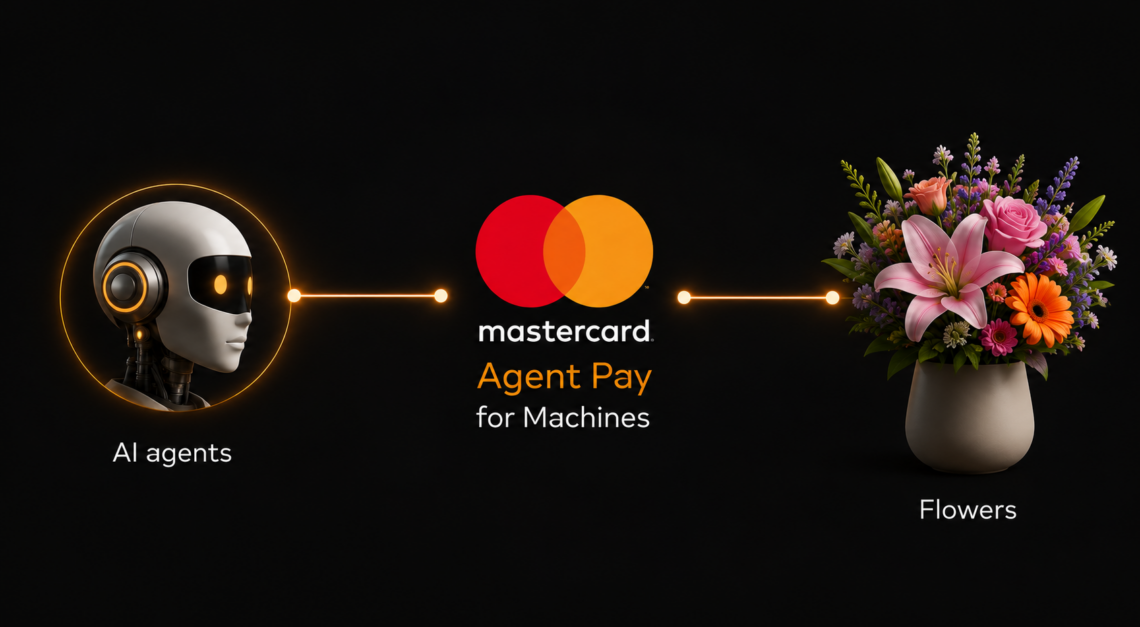
Mastercard Launches Payment System for AI Agents
Agent Pay for Machines supports many payment types, from cards to stablecoins
Mastercard has unveiled a new payment system for AI agents, designed to permit secure and permissioned transactions to be settled across its payment network at machine speed. Agent Pay for Machines (AP4M) envisions a future in which businesses create services AI agents can buy and use. Operating at machine speed, these agents will transact continuously with each other at high speed, executing trains of transactions including microtransactions. Mastercard said in a statement that it believes this will “unlock a massive new wave of innovation, business models and economic activity, where any company, from solopreneurs to the largest enterprises, can become a virtual powerhouse.” It gives the example of a florist…
-
Jay-Z, Coinbase backed blockchain developer platform launches publicly
Alchemy describes itself as a ‘quiet giant’ in the industry given that its tools are already used by 70% of top Ethereum applications
Alchemy has gained substantial momentum during its closed beta phase—and according to the company, it now provides infrastructure and tools for 70% of top Ethereum applications. The platform is also a big player in the decentralized finance space, and said its technology supports 60% of the total assets locked in DeFi protocols, an estimated $2.8 billion.